
Weekly Playtests
Structure
During the previous university projects we had learned the value of a weekly playtest schedule, to gain a steady feedback supply. This way we made sure to keep working in the right direction, and spot problems quickly.
Weekly testing also encouraged people to get their work into the current build more reliably.
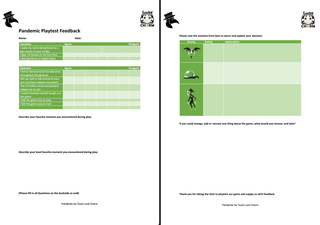
We had planed for one play test each Friday, but adjusted it to be on variable days during each week later in the project. Friday tented to be quite a long day otherwise even if everything went smoothly, encroaching on peoples rest time.
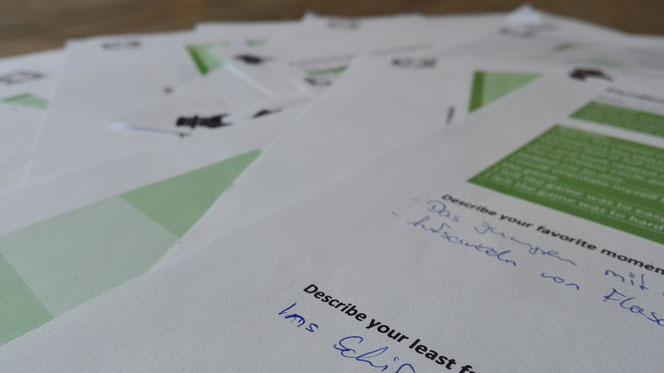
Each playtest was supervised by at least one team member, who took notes and spoke with the playtesters after they had filled in the Document shown above. The Idea was to have a easily "quantifiable" side of the feedback trough the documents, and gather more personal feedback and information during conversation.
Later on we added screen recordings via OBS to the playtest setup. This allowed us to find bugs that surfaced during the playtest and better understand the circumstances of their appearance in the game, allowing for faster bugfixes.
Results
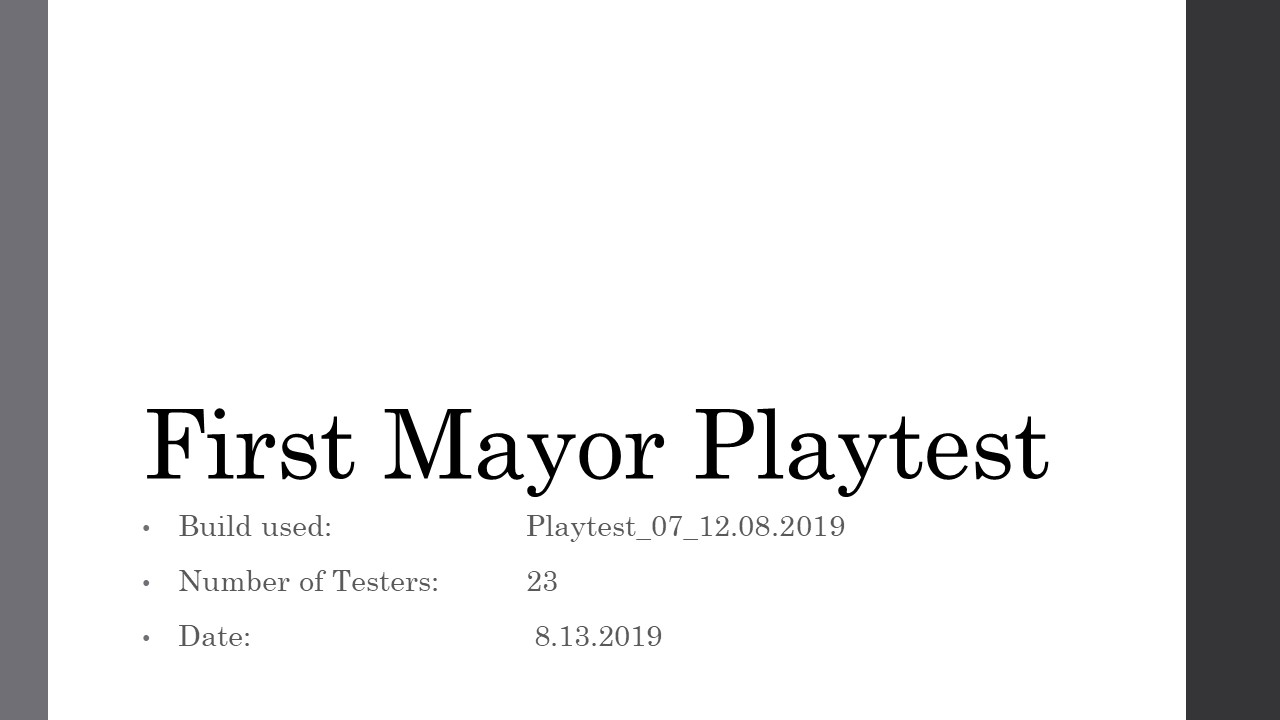
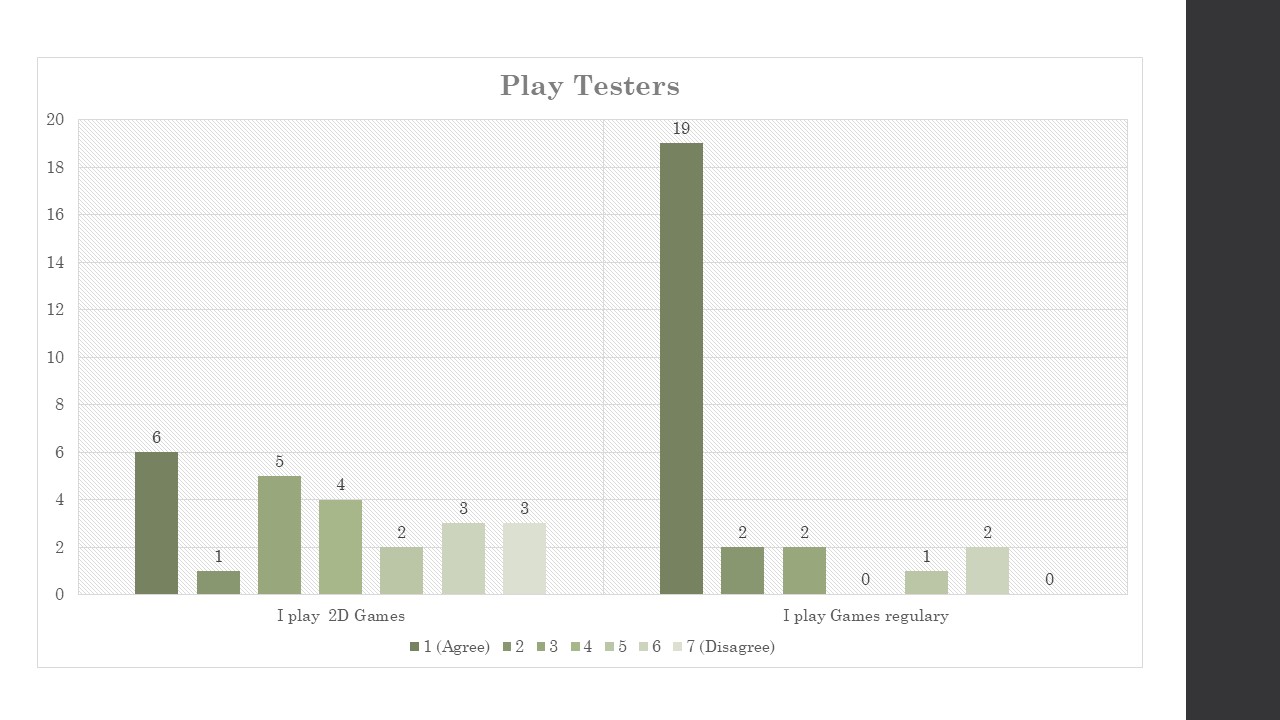
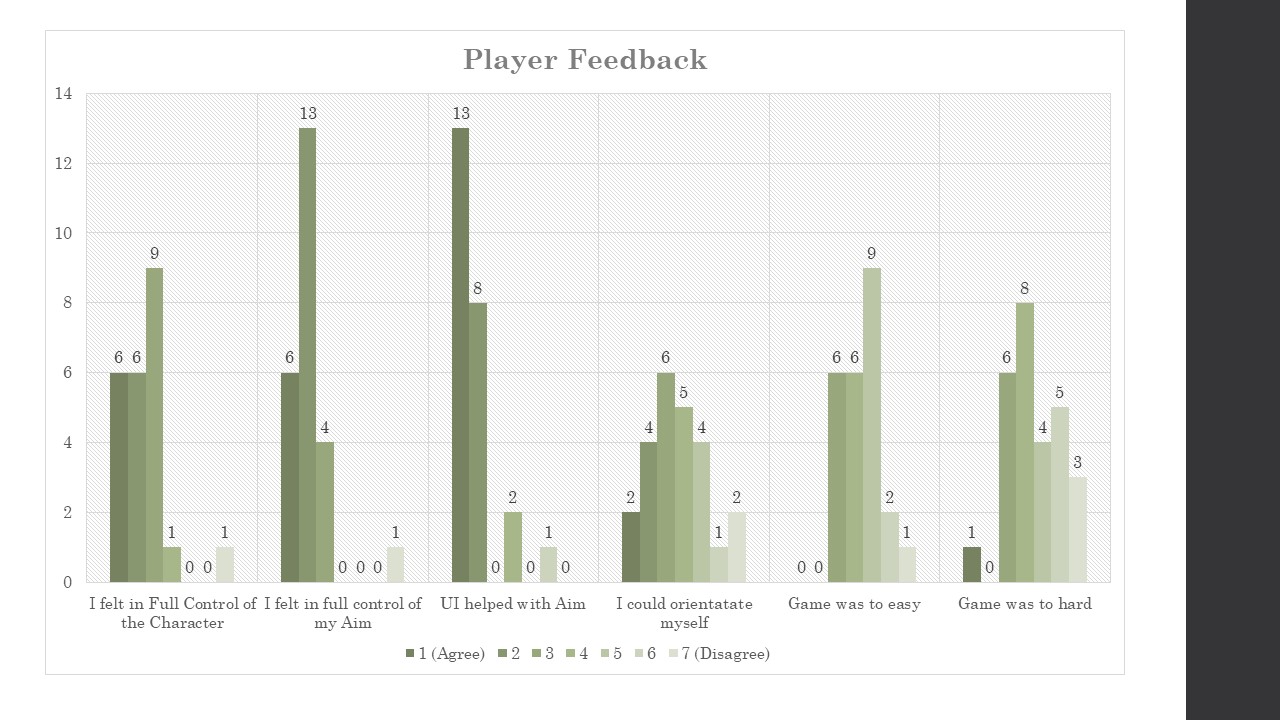
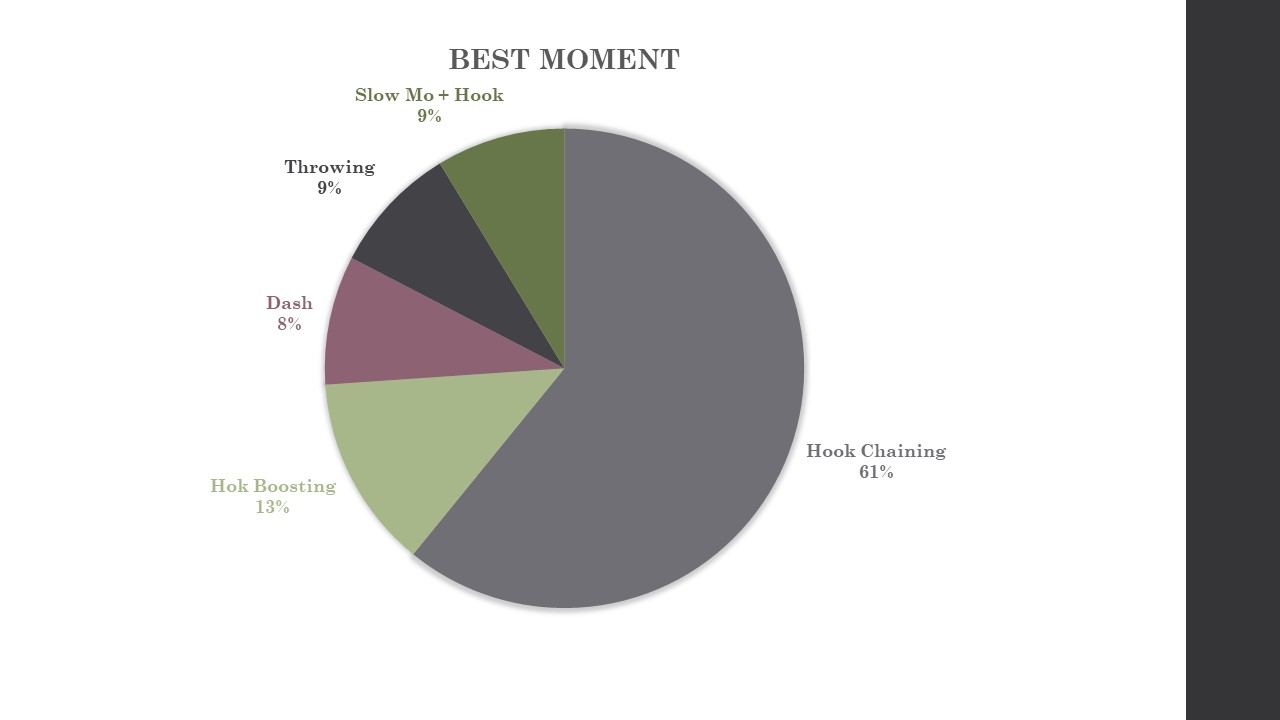
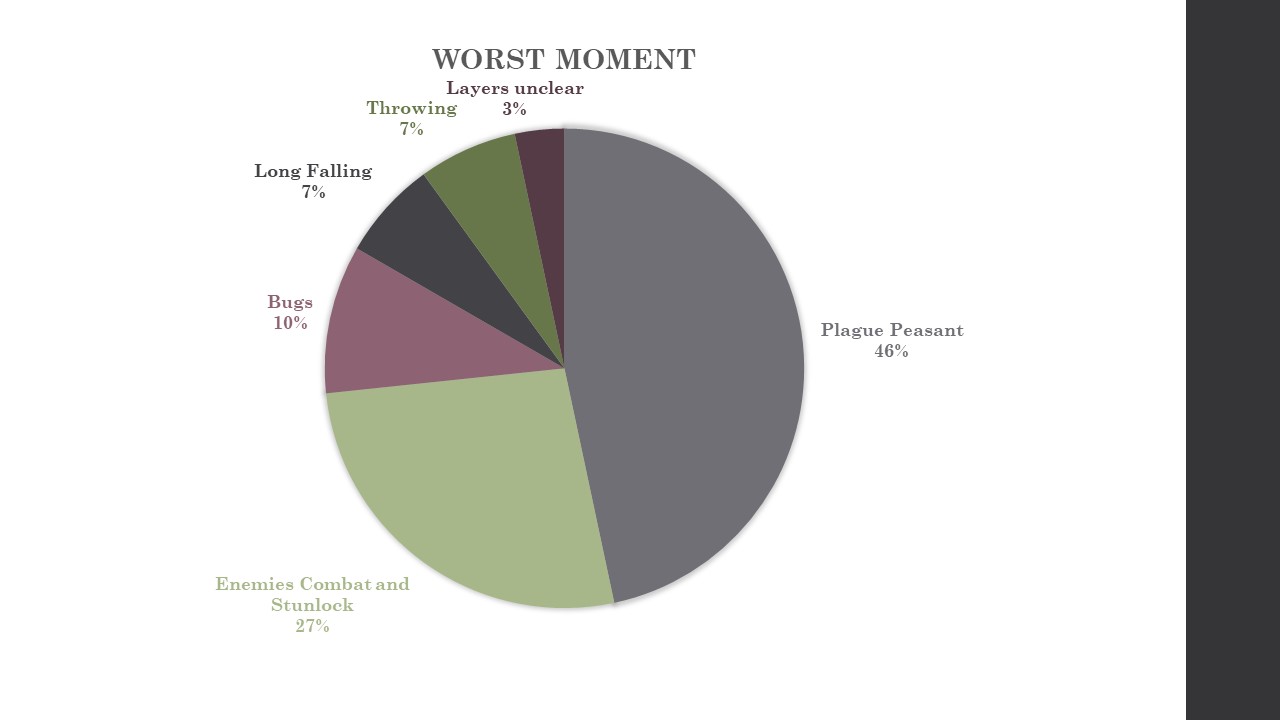
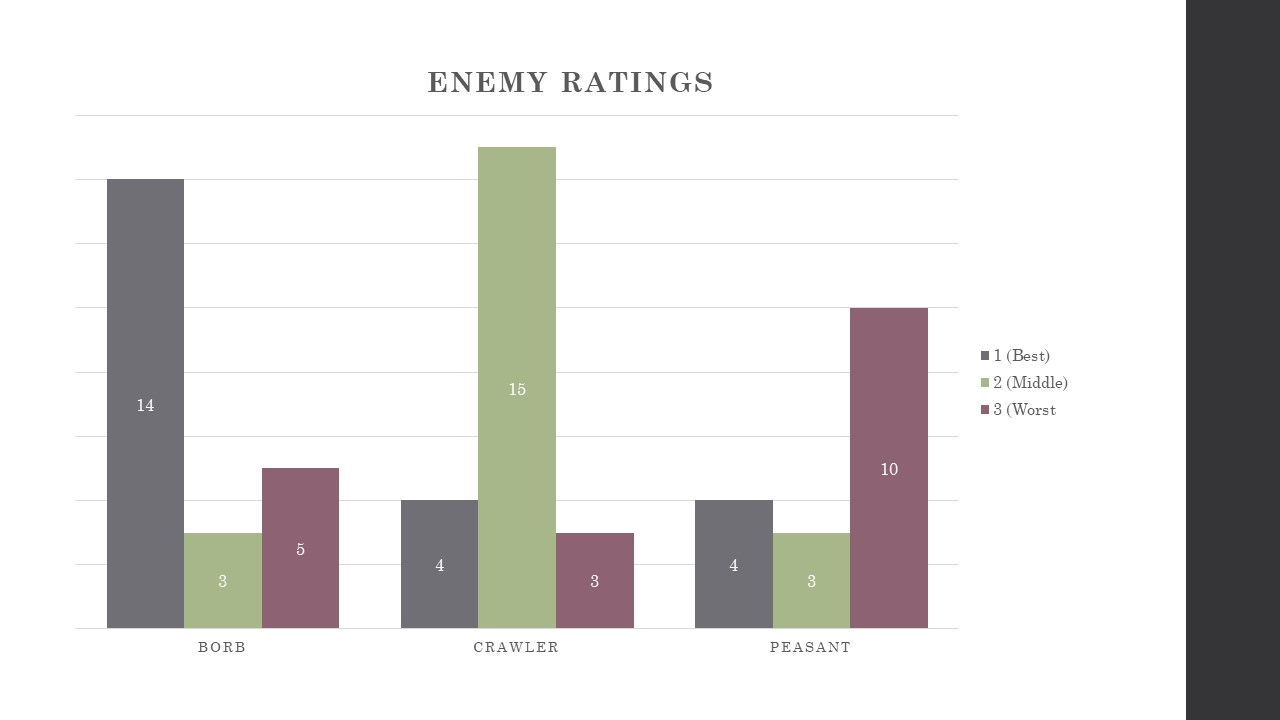


While I didn't do so at fist, for our biggest Playtest I spend some time afterwards visualising the results in a few different ways.
It was surprising how much clearer the sight of a simple pie chart or the like was to myself and many in the team, compared to just having the raw data.
From then on I made sure to go the extra mile for all our playtests, as it helped communicate the results with teammembers. It also made comparison between different playtest sessions faster and more rewarding.
Afterthoughts
Development of Pandemic was plagued by a variety of different roadblocks of all types and sizes. Upholding a very fixed playtest scedulge was one of the first things we had to compromise on.
Especially near the end, we had gained a lot of relevant feedback through the playtests already and staret to recieve a lot of redundant feedback. So we instead focused our efforts on getting as far as we could with the project, relying on the insights from our playtests so far and our own expertice to guide us. I am glad we made this choice, as we reached the deadline for our final build with not much time to spare.
Somewhat unsprisingly, playtesting every week during the very beginning of a project proved to be detrimental for bigger tasks. Aspects of the game got rushed implementations in order to be done
for playtests, fell apart and recieved harsh feedback.
For example, in hindsight, two scrapped combat systems could have absolutly worked, if we had given them more time to be developed properly instead of forcing them into the game halfbaked.
For future projects I'd be more deliberate with what gets into playtest builds, only including those aspects already advanced well enough to fulfill their inteded role with at least some efficiny. And keep testing during the unstable parts of a task team internal.